Brand Foundation & Architecture
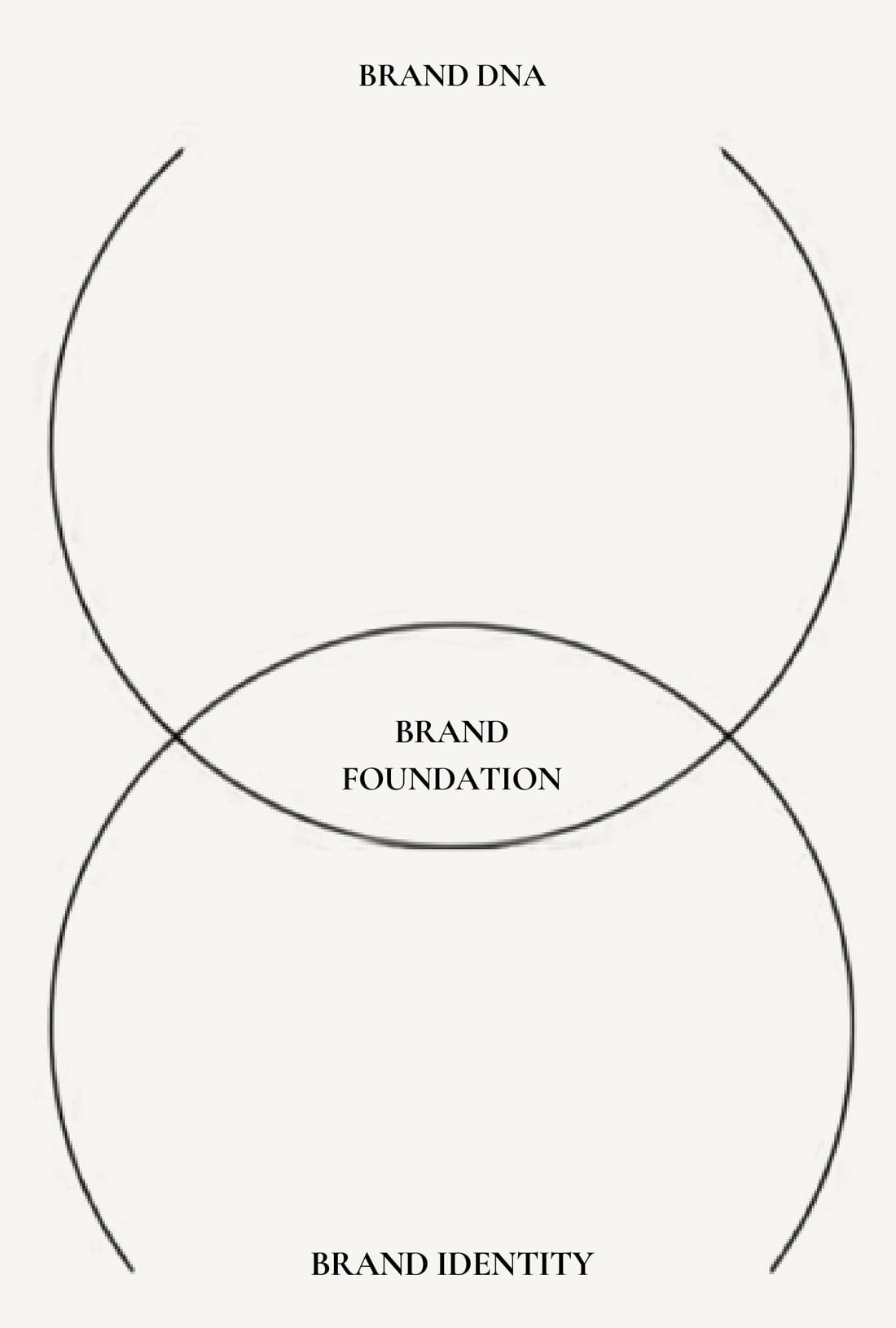
The Iconic Brand Architecture is a three-part framework for building brands people recognise, enjoy experiencing, return to, and want to belong to.
2026
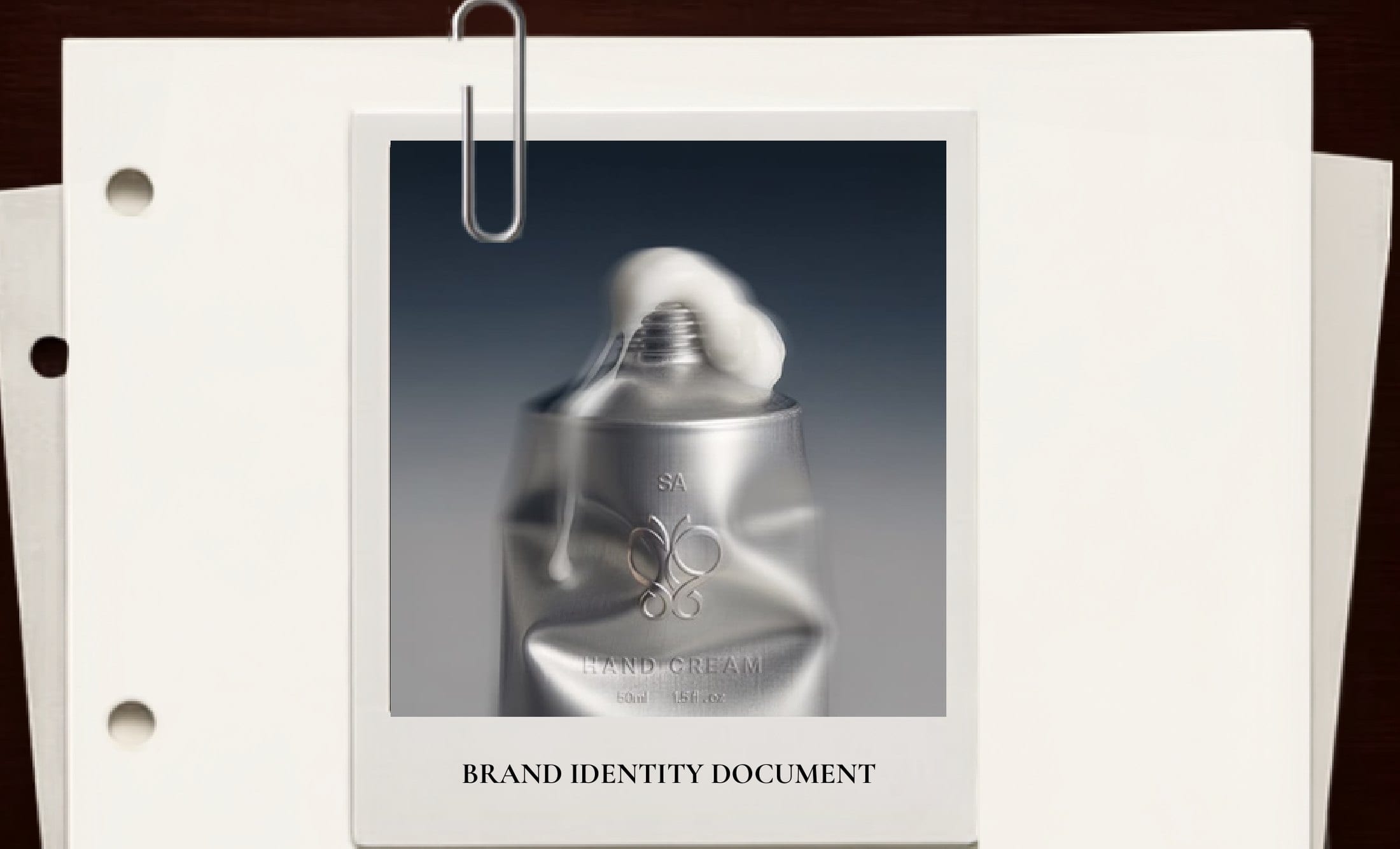
What this document is
This document highlights the ways to implement the framework to plug this into your business. It starts off by building the foundation. Discovering your brand identity and implementing that through all your touchpoints.
Then we proceed into the brand-building phase. This includes your distribution and marketing and how to maintain that DNA throughout. If you can do this consistently, your brand will grow.
Finally, we have the interior. This consists of the culture, experience, events, and memorabilia. This is where your brand world becomes a clear association and people want to identify with you, and further strengthens with time and becomes legacy.
The three phases
01
Brand Foundation
- Identity
- Purpose
- Positioning
- Audience
- Voice
- DNA
- Values
- Codes
- Cues
- Standards
- Quality
- Experience
- Website
- Customer journey
- Packaging
- Sales
- Service
02
Brand Building
- Content strategy
- Social media
- Email marketing
- Community
- Partnerships
- Word of mouth
- Distribution
03
Brand Belonging
- Events
- Customer experience
- Rituals
- Loyalty
- Referrals
- Advocacy
- User-generated content
- Bundles
What follows covers Phase 1 in full — the foundation everything else is built on.
01
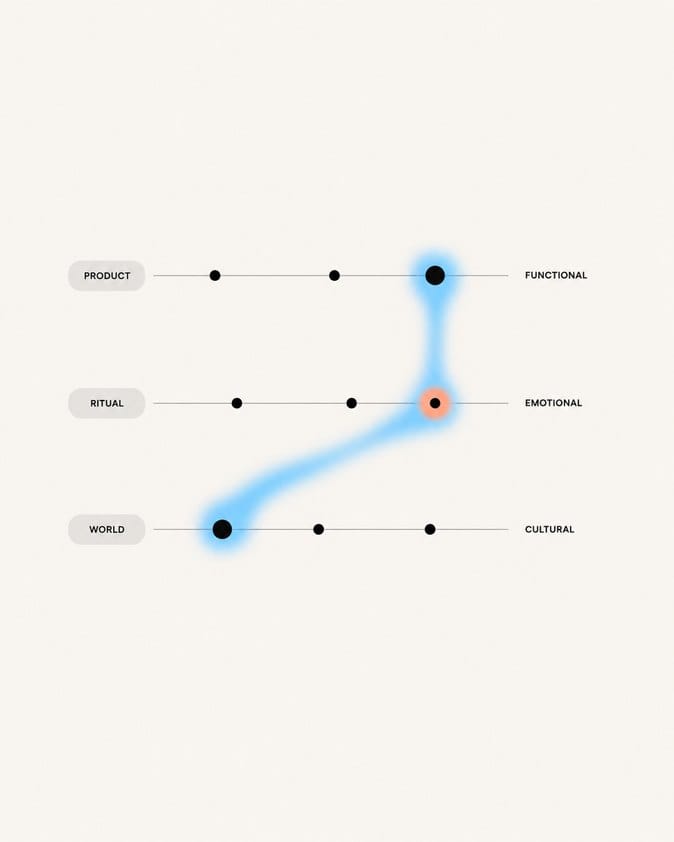
The three layers of brand
These are the three components that hold your brand's value.
Every part of your brand DNA and identity should flow through them consistently.
This creates recognition, builds trust and forms lasting associations in your customers' minds.
Brands that master all three create stronger connections, stand out in competitive markets and are far more likely to become profitable.
- Product
Your product is the most important factor in determining whether your brand has anything strong enough to build on. It is the closest connection people form with your brand, and it carries both the ritual and the wider brand world.
If the product experience is weak, the brand itself feels weak. People will not immerse themselves in the world, return, engage or recommend it to others. Creating obsession starts with getting the product right, from the packaging to the contents. Nail this first.
- Ritual
The ritual is how people experience your product, including how and where they use it, and how it makes them feel.
You build your brand world by showing people how the ritual fits into their lifestyle and why it belongs there. This creates a strong association between the product, its purpose and the value it brings. This is where repeat customers are born.
- World
This is where community is born, through the overall customer experience you create across every touchpoint. When that experience feels consistent and relevant to the customer you have built the brand for, you create a successful brand world people want to belong to.
They open your emails, join conversations online, wait for new drops and recommend you to their friends. The more consistent you are, the stronger the attachment becomes. New customers also trust you faster because the world around the brand feels established, creating a snowball effect.
02
Brand DNA
Identify your values by looking at what you refuse to compromise on.
Look at the choices you make when money, speed or convenience are at stake.
Strong values shape how you hire, design, serve customers, set standards and decide which opportunities deserve your attention.
- Codes
Brand codes are the repeated visual, verbal and sensory details people begin to associate with your brand. They include colours, typography, shapes, symbols, phrases, photography style, packaging, sounds and even the way your brand behaves.
You don't choose brand codes because they look good. You choose them because they reinforce the identity you want people to remember.
- Cues
Brand cues are the signals which tell people how to recognise, feel about and respond to your brand. They include details such as your tone, imagery, packaging, music, language, movement and customer experience, which repeatedly trigger the same association in the customer's mind.
- Standards
Enforce standards by turning them into clear rules, checklists and approval processes everyone follows. Measure the work against those rules, correct slips quickly, and refuse shortcuts which weaken the customer experience.
- Quality
Quality is how well your brand delivers what it promises, across the product, service and experience. It lives in the details customers notice, the consistency they trust, and the standards you protect even when no one is watching.
The strongest brand codes are
- Consistent. They appear across every touchpoint.
- Distinctive. They separate you from competitors.
- Relevant. They reinforce your positioning.
- Repeatable. Anyone in your business knows how to use them.
Standards to hold
- Product — quality, ingredients, performance
- Design — colours, typography, photography, packaging
- Service — response times, customer care, returns
- Content — writing, video quality, messaging
- Experience — website speed, checkout, unboxing, emails
- Team — behaviour, communication, professionalism
“Codes create recognition. Cues create associations. Standards protect them.”
03
Brand identity
Choose a purpose by defining the change you want your brand to create in people's lives, beyond making sales.
Ask yourself who you want to help, how you want them to feel or what problem you want to solve, then make every product, message and customer experience reinforce that purpose.
When people consistently experience the change your brand promises, your purpose becomes something they recognise rather than something you simply claim.
- Positioning
Positioning is the place your brand earns in the customer's mind. It begins with the first impression and is strengthened through every experience that follows.
Express your positioning across your name, message, offer, pricing, visuals, website and customer experience, so every touchpoint tells the same story.
- Target audience
Your audience is the specific group most likely to need, value and choose what your brand offers. Identify them by studying who has the problem you solve, what they want, what they fear, how they speak and what already influences their decisions.
Then serve them by building products, messages and experiences around their real needs, not your assumptions.
- Brand voice
A brand voice is the consistent way your brand communicates. It shapes how your brand sounds, the words it chooses, and the feelings it creates every time someone reads, hears or interacts with it.
Choose your voice by thinking about how you want people to feel when they experience your brand, then match your language to that feeling. The most important thing is consistency. A recognisable voice builds familiarity, trust and personality, making your brand feel like the same person across every touchpoint.
Position from scratch with four clear choices
- Who you serve
- What problem you solve
- What result you promise
- Why your approach is different
It doesn't have to be profound
PrettyLittleThing's purpose is to make elevated, trend-led fashion available to every kind of “IT girl”, regardless of size, background or budget.
The brand conveys this through accessible pricing, inclusive campaigns, wide product ranges and messaging built around confidence, style and belonging.
04
Every touchpoint is the brand
People will experience your brand in many ways; these are your touchpoints.
It often takes 7 to 13 touchpoints before someone feels ready to buy.
The number rises when the offer costs more, feels risky or requires trust, while low-cost products often sell after fewer interactions.
A touchpoint might be
- Seeing a social post
- Watching a video
- Visiting your website
- Reading reviews
- Joining your email list
- Receiving a follow-up
- Speaking to someone
- Seeing the brand again through an advert or recommendation
The lesson is simple
Do not expect one post or one website visit to close every sale.
Each touchpoint should repeat the same positioning, build trust and remove another reason to hesitate.
05
The website and the customer journey
A website is your brand's owned digital space, where people understand who you are, what you offer and whether they trust you enough to buy.
Its most important job is clarity.
Visitors should quickly see who you help, what you sell, why it matters, why they should believe you and what to do next. Strong design supports this by guiding attention, building trust and reducing friction.
To optimise your website for sales, use clear messaging, simple navigation, visible proof, fast loading, focused calls to action and an easy enquiry or checkout process. Social media attracts attention, but your website turns attention into confidence, enquiries and sales.
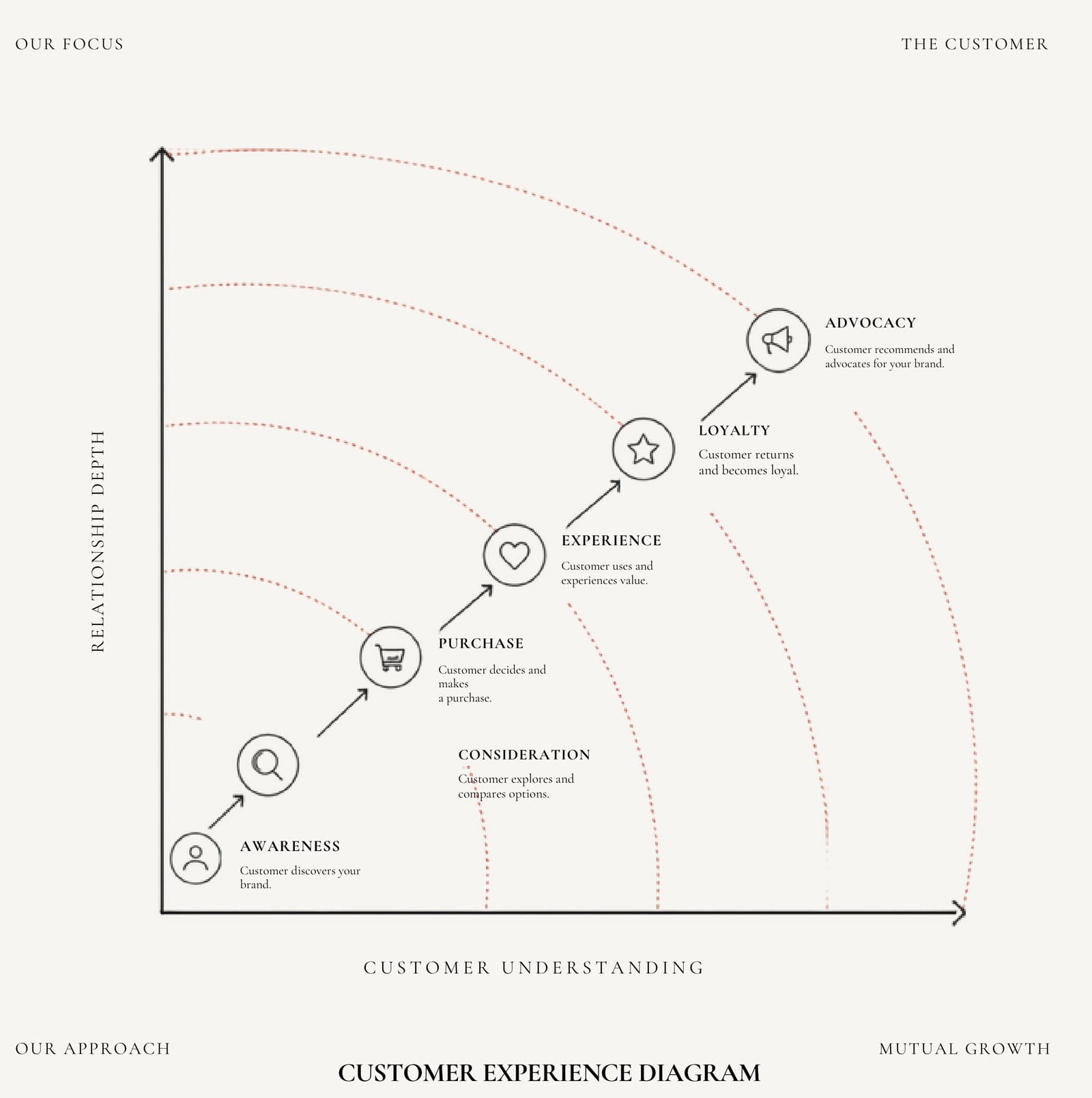
The customer journey is the complete experience a person has with your brand, from first discovering you to becoming a loyal customer. Every interaction shapes how they feel, whether they trust you and whether they choose to return or recommend your brand.
The strongest brands don't leave this journey to chance. They intentionally design every touchpoint to remove doubt, build trust and create positive experiences, making each step naturally lead to the next.
Optimise every phase by asking what the customer needs to see, feel and understand before moving forward.
- Discover
Make your message clear enough to attract the right people.
- Consider
Show benefits, proof, pricing and answers to common doubts.
- Buy
Keep the process simple, fast and safe.
- Experience
Deliver what you promised, communicate well and remove friction.
- Return
Follow up, reward loyalty and give customers a reason to come back.
- Recommend
Create an experience worth talking about, then make reviews and referrals easy.
06
Email and packaging
Email marketing helps brands build a direct relationship with people who have already shown interest.
It keeps your brand remembered, builds trust, explains your value, recovers abandoned purchases, supports launches and encourages repeat sales. Start building your list early, even before launch, and focus on sending useful emails which guide customers through the next stage of their journey rather than pushing for a sale every time.
Build an email list by giving people a clear reason to join, such as a discount, guide, early access, quiz or useful resource. Place sign-up forms on your website, checkout, social pages and landing pages, then collect permission clearly and keep people subscribed by sending relevant emails worth opening.
- Packaging
Packaging is more than a container. It is one of the first physical experiences people have with your brand. It protects the product, communicates quality, reinforces your identity and influences whether customers feel they made the right purchase.
Your packaging should feel like a natural extension of your brand. If your brand is premium, the packaging should feel premium. If your brand is playful, the packaging should feel playful. When the product, packaging and brand all tell the same story, customers build stronger trust and stronger associations.
Good packaging should
- Reflect your brand identity through colours, materials, typography and design
- Protect the product during storage and delivery
- Create a memorable unboxing experience
- Communicate important information clearly
- Reinforce the level of quality your brand promises
Remember
The most important thing about packaging is consistency.
Great packaging doesn't only protect what's inside. It increases perceived value, strengthens first impressions and makes the experience worth remembering and sharing.
“People judge the product before they use it, and packaging is often what they judge first.”

07
Sales and service
Sales is the process of helping the right person understand the value of your offer, trust the decision, and take action.
Good sales is not pressure.
It is clear communication, strong proof, and a simple path from interest to purchase.
Choose the sales channel where your audience already looks for help and feels comfortable buying, such as a website, Instagram, email, phone call or marketplace. Keep the journey short by removing unnecessary steps: attract attention, explain the offer, show proof, answer key doubts, then give one clear action to buy, book or enquire.
- Service
Service is how your brand helps, supports and treats the customer before, during and after a purchase. Good service removes friction, solves problems quickly, keeps promises and leaves people feeling respected, which builds trust, loyalty and word of mouth.
Fast service removes uncertainty before doubt has a chance to grow. The quicker you solve confusion, the more confidence customers have to continue their journey, reducing abandoned enquiries and preventing them from looking at competitors.
Make it easy to get answers
- Live chat
- AI chatbots
- Voice agents
- FAQs
- Automated emails
- SMS updates
- Clear self-service options
The ultimate brand formula
Identity + Experience = Belonging
Build the foundation, and the world people want to belong to follows.
Book Your Strategy Call ↗